Summary
Technology may be transforming the battlefield, but the soldier remains where operations ultimately meet the ground. Dismounted forces must navigate complex terrain, make rapid decisions, maintain communication, and operate alongside increasingly connected manned and unmanned systems. These demands are driving a new generation of technology for the modern infantryman.
Defining "Dismounted"
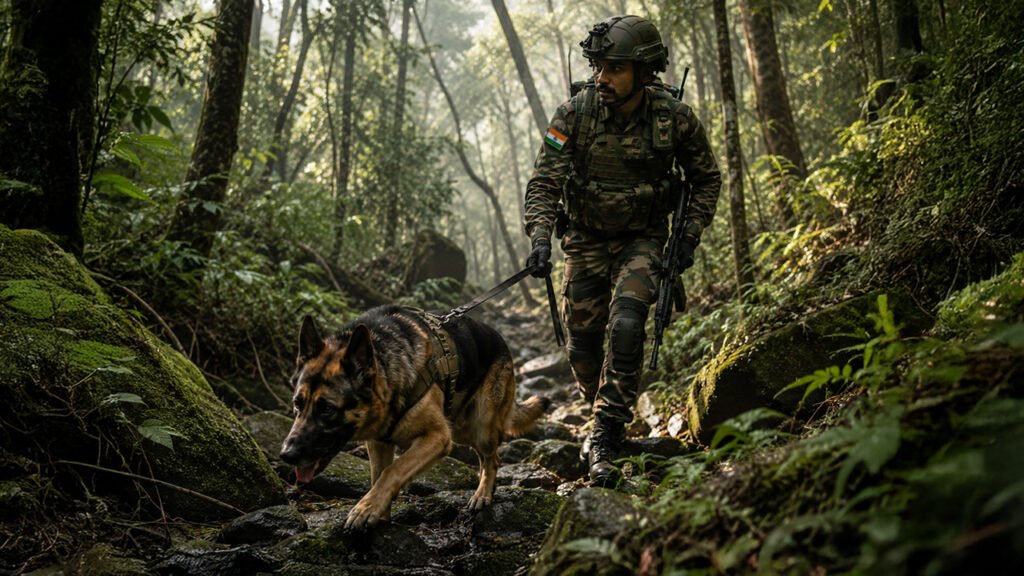
The term remains in standard military vocabulary today. A dismounted soldier is simply a soldier operating on foot rather than inside a vehicle, aircraft, or ship. Infantry, by definition, are troops who fight on foot, even though they are often transported to and from the battlefield by trucks, helicopters, or armoured carriers. The mode of transport gets you to the fight, but being dismounted is how you actually fight once you’re there.
That may sound like a minor distinction but it separates two very different combat postures. A mounted soldier fights with the protection, mobility and firepower of a vehicle around them. A dismounted soldier has none of that, only what they carry on their own body, and has to close the last most dangerous distance to an objective using nothing but their own legs, judgement and weapon.
The Importance of Dismounted Soldiers
It would be easy to assume that decades of investments in tanks, drones, and precision airstrikes have made the foot soldier obsolete. The opposite has been proven true. Defence analysts and military partners consistently describe the dismounted soldier as the enduring core of land forces, the element that ultimately has to occupy ground, clear buildings, and hod terrain, because no amount of standoff firepower can substitute for a human presence physically controlling a piece of ground.
The war in Ukraine has reinforced this lesson sharply. Despite the proliferation of drones, precision artillery, and electronic warfare on that battlefield, the fundamentals of personal training, communication and small-unit firepower have proven just as decisive as they were in previous generations of conflict. It is a reminder that no matter how much technology changes the character of war, someone still has to walk into the objective and hold it.
Core Roles of the Dismounted Soldier
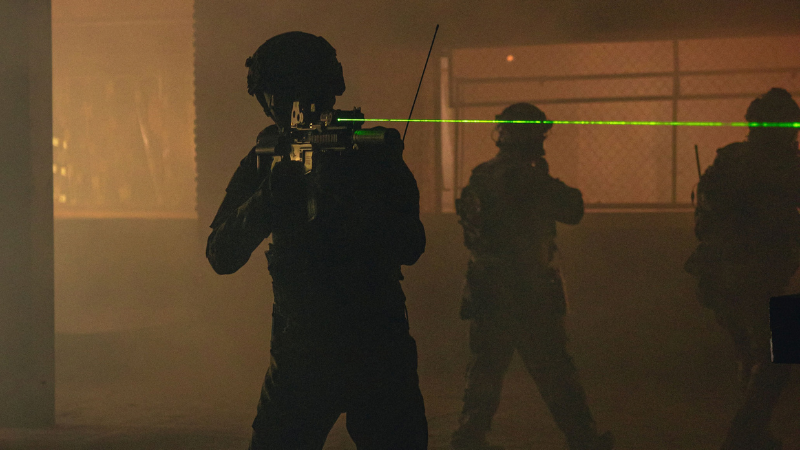
Dismounted infantry perform a range of tasks that vehicles, aircraft and even robotics still can’t fully replace:
Close-quarters combat and objective seizure: Entering and clearing buildings, trenches and bunkers, physically occupying terrain that has to be held rather than just struck from a distance.
Reconnaissance and security: Moving quietly through terrain too dense, too urban, or too politically sensitive for heavier assets, gathering information no sensor can fully replicate.
Breaching obstacles: Detection and diffusion of wires, mines and other barriers to open a path for the rest of the force.
Precision engagement: Using judgement and direct observation to distinguish combatants from civilians in situations where a strike from a range would carry unacceptable risk
Holding ground: The single task no drone, tank or, air craft can do: physically remaining in place to deny an ara to the enemy.
The Physical and Cognitive Burden
One of the most persistent challenges facing dismounted troops isn’t the enemy at all, but the weight they carry. Body armour, ammunition, communications equipment, water and mission-specific gear can push a soldier’s combat load to well over 30 kilos, and every technological addition meant to improve survivability or connectivity tends to add more weight not less. Military researchers and equipment developers have spent years wrestling with this exact tension; how do you add sensors, batteries, radios and protective equipment to a soldier without so overloading them that their mobility, endurance and reaction time suffer?
This burden isn’t just physical. Modern dismounted soldiers are also expected to process far more information than their predecessors, such as digital mapping, networked communications and drone feeds, all while retaining the situational awareness and split decision making that close combat demands. Balancing that cognitive load against the simple need to move fast and stay alert is one of the defining design challenges of current soldier modernisation programs.
Coordination and Training Gaps
Another recurring challenge is less about equipment and more about integration. Historical after-action reviews have repeatedly flagged the same problem: infantry units transitioning from mounted to dismounted operations are sometimes unprepared for the specific task at hand, like soldiers dismounting without essential gear they left behind or moving into a fight without a clear understanding of the tactical situation they’re stepping into. This points to a persistent training challenge that has less to do with individual skill and more to do with unit level rehearsal: ensuring that the mounted to dismounted transition itself is treated as a drill worth practicing and not an afterthought.
The Push Toward "Lighter" Soldiers
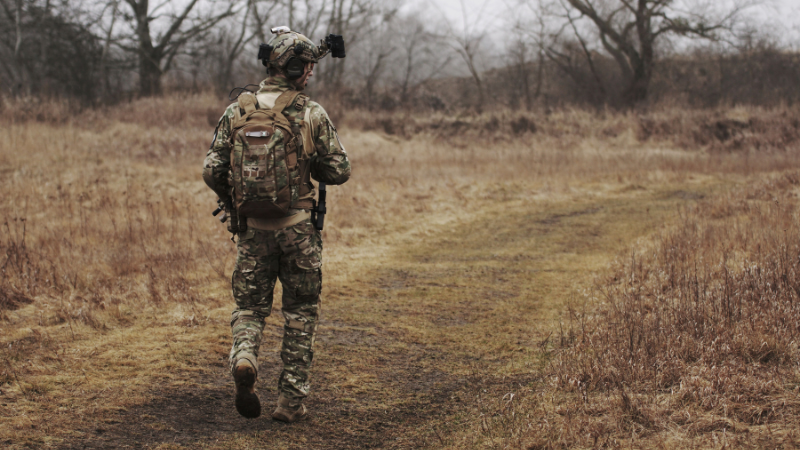
In response to the weight and complexity problem, many militaries have shifted toward what is often described as a ‘lighter’ approach to soldier equipping by deliberately trading some capability for reduced physical and cognitive burden, in order to preserve peak physical performance and reduce injury risk over the course of deployment or engagement. This reflects a broader recognition across defence communities: more gear doesn’t automatically mean more effectiveness if it comes at the cost of a soldier’s speed, endurance or alertness.
Where Dismounted Capability Is Headed
Modernisation programs across multiple countries continue to wrestle with the same core tension: dismounted soldiers need to become more networked and more capable of operating as part of a multi-domain force, while remaining light, fast, and survivable enough to do the one thing no asset can: physically close with and hold ground. Industry has, in many respects, moved faster than government procurement cycles in exploring what’s possible for the ‘soldier as a platform’, creating new opportunities and new challenges in how forces choose to field and integrate the technology.
The Bottom Line
The dismounted soldier remains, in a very literal sense, where war is ultimately decided. Vehicles, aircraft, and unmanned systems can shape, support and protect the fight, but seizing and holding ground still comes down to a person on foot. The central challenge for modern militaries isn’t replacing that soldier, but rather, figuring out how to make them more lethal, informed and survivable without burying them under the very technology meant to help them.
This post is intended for general informational purposes and draws on publicly available military doctrine and defense industry reporting.